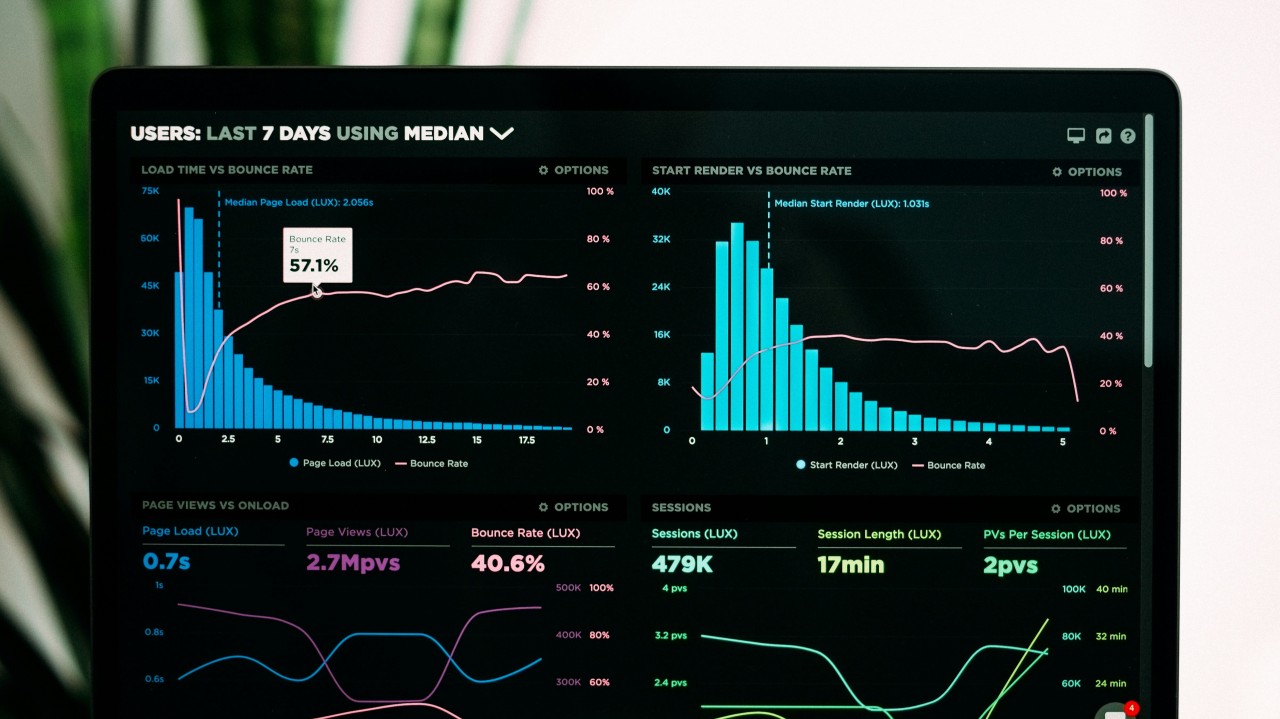
In this article, we walk through DolphinDB's built-in plot() function using an FX option volatility surface as a running example, showing you how to build professional 2D and 3D charts with mouse-driven rotation, zoom, and hover tooltips.

In this article, we walk through DolphinDB's built-in plot() function using an FX option volatility surface as a running example, showing you how to build professional 2D and 3D charts with mouse-driven rotation, zoom, and hover tooltips.

The age when everything gets quantified is no longer coming. It's here.

This article outlines the key features and enhancements in DolphinDB V3.00.3 & 2.00.16.

DolphinDB V3.00.4 solve this with a unified multi-asset data model that treats all financial instruments as standardized, strongly typed computational objects.
Starting from DolphinDB V3.00.4, the cross-database federated query feature simplifies all of this into one idea: don't move the data—query it wherever it is, using a single SQL statement.
Beginning with version 3.00.4, DolphinDB introduces Streaming SQL —a transformative solution to these challenges. Register your business SQL once (with full support for joins, filters, sorting, and aggregations), and the engine automatically tracks changes in underlying data, pushing the latest results in real time to all subscribed clients.
High-frequency market data contains a level of market microstructure detail that daily OHLC data simply can't match — order book dynamics, trade impact, informed order flow, intraday liquidity patterns. The problem is that building strategies directly on tick data is expensive: you need serious infrastructure, the signal-to-noise ratio is brutal, turnover costs eat returns, and scaling up is genuinely hard.

This post walks through the full implementation and backtesting of a dynamic grid strategy using DolphinDB's cryptocurrency backtesting engine. Powered by minute-level market data, the framework provides a fast and structured environment to validate strategy logic before any real capital is deployed.

To help you avoid the hard-learned lessons, we've compiled the most common pain points developers run into, covering database and table management, SQL usage, scripting syntax, cluster operations, and other practical features.

For six years, chievan's work as a quant researcher at a brokerage firm followed a familiar rhythm: data in, strategy out. Market data arrived from multiple APIs, passed through layers of cleaning and transformation, landed in databases, and ultimately fed into backtesting models. Routine, yes — but far from frictionless.